
There are countless comics. Plenty of good comics. Several hundred very, very good comics. Not so many masterpieces of the medium. And the 10 best comics of all time can only be 10.
The thing is, since there is no objective way to judge them, my top 10 may not be yours. It will depend on your tastes, preferences, how much you have read and your age.
In this article I tell you about my biased 10 favorites, along with another 10 that were hard to leave out and a final 10 I still have to read and that will probably push one of these out of my top ten.
I'm not trying to establish a canon or decide which works have been the most influential, innovative or important for the medium. This list answers a much simpler question: if I had to keep just ten of everything I've read, which would I choose?
If you haven't read any of them, I recommend taking a look, because I very much doubt any of them will leave you indifferent.
By the way, besides the 10 best comics of all time, below you'll also find:
- The 10 comics that just missed out.
- The 10 comics I plan to read next (and that will probably knock one of the current top picks off the list).
My 10 Best Comics
Let's get to the list of essentials
1. Corto Maltese: The Ballad of the Salt Sea – Hugo Pratt
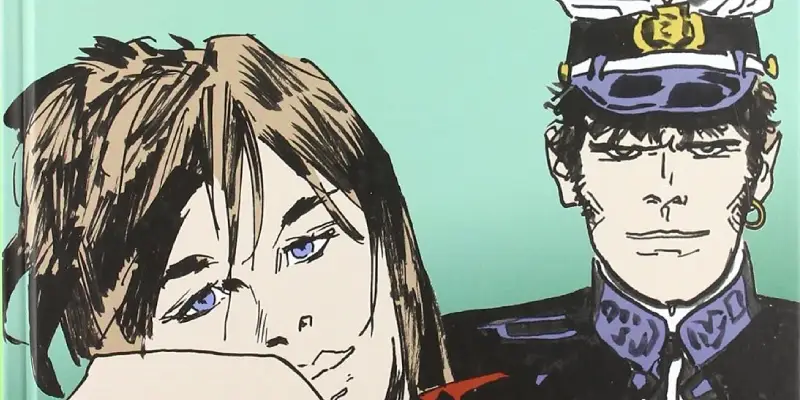
The comic I'd take to a desert island if I could only bring one.
The reason?
Because it has everything.
A great story, with exotic locations and very different characters, all well built and driven by different goals and ambitions. Naturally, the standout is the protagonist, Corto Maltese, charismatic and wildly unpredictable.
Add to that the sublime style of master Hugo Pratt, who can narrate any action with simple pen strokes and the occasional block of black without ever losing the reader. An appealing style with no need for visual baroque excess.
In short, a work worth reading more than once to get everything out of it.
2. Batman: The Dark Knight Returns – Frank Miller
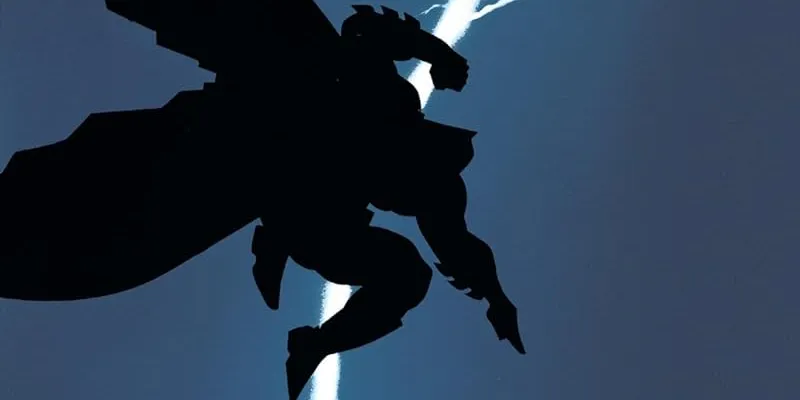
We change gears and enter the superhero genre, my favorite as a teenager and, as people say now, a “young adult”, and probably the one I've spent the most hours on.
Of all its creators, there is one who has always fascinated me because I discovered him at his peak: Frank Miller.
With scripts packed with fury and a deliberately ugly but hugely narrative drawing style, in this work -one of his peaks- he turned an aging Batman into one of the most memorable versions of the character.
An unqualified masterpiece of the genre, with an energy in both its visuals and its writing that moved me far more than its contemporary -and also magnificent- Watchmen, by Alan Moore.
I could have chosen another of his Batman masterpieces for this spot, such as Batman: Year One, more classical and canonical with Mazzucchelli on pencils, but I preferred the disruption this one represented.
3. Elektra Assassin – Frank Miller and Bill Sienkiewicz
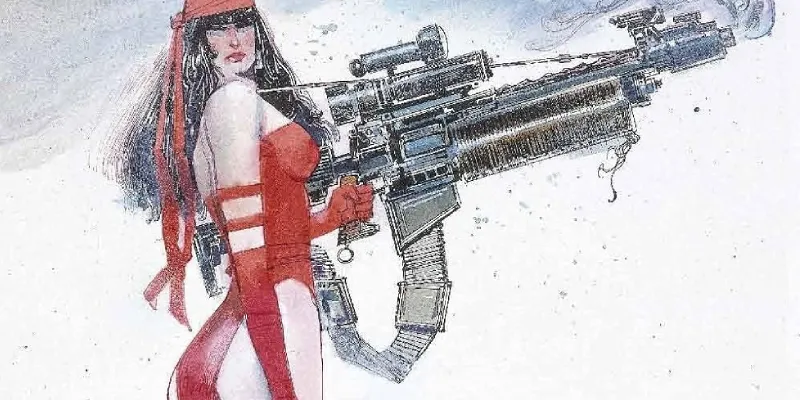
I'll stick with Miller but change gears. Here he handles only the script, leaving the visuals to Bill Sienkiewicz, who had already radicalized his style, moving from extreme realism to radical experimentation.
Sienkiewicz mixes painting, collage, distortion, caricature and realistic drawing however he pleases. And it works. It's the best example I know of graphic experimentation in the service of a narrative experience.
The art grabs you immediately, obviously, but so does the script. Despite the title, Elektra isn't really the protagonist, but rather an abstract entity drifting through the pages, where law enforcement embodied by the protagonist -John Garrett, an agent of S.H.I.E.L.D.- mixes with assassins, politics, espionage, psychic powers, conspiracies and a grotesque vision of the United States.
The narrative demands a deep (re)reading to fully understand it, as much as or more than the art, but I see that as a virtue, not a flaw.
An excessive work from beginning to end.
4. Weapon X – Barry Windsor-Smith
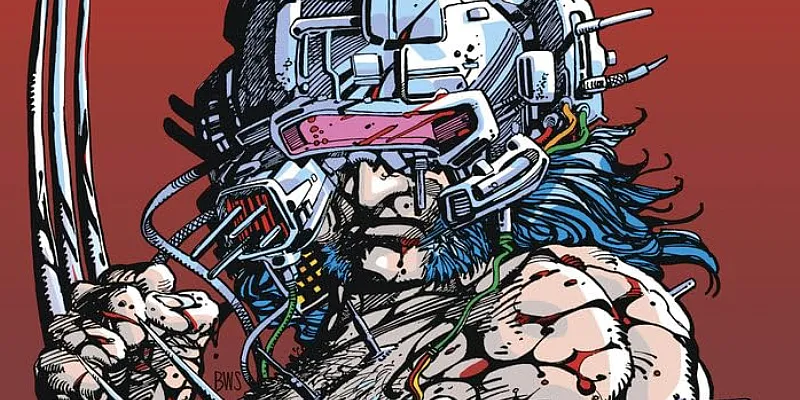
And if we're talking excess, we have to talk about Weapon X.
A graphic novel where the visual baroque excess of its creator, Barry Windsor-Smith, is overwhelming. Pages packed with cables, machines, monitors and bodies that convey a constant sense of dehumanization.
I remember reading it and wondering how anyone could draw like that. How someone could put so many lines together and have every one of them make sense. How, despite how dense some panels are, everything that's happening remains perfectly clear.
As for the story, suffice it to say that it was the canonical origin of our beloved Wolverine, until some (not very) bright mind at Marvel decided to change it, despite the fact that this one was absolutely perfect.
One of the absolute peaks of superhero comics, no argument.
5. Preacher – Garth Ennis and Steve Dillon
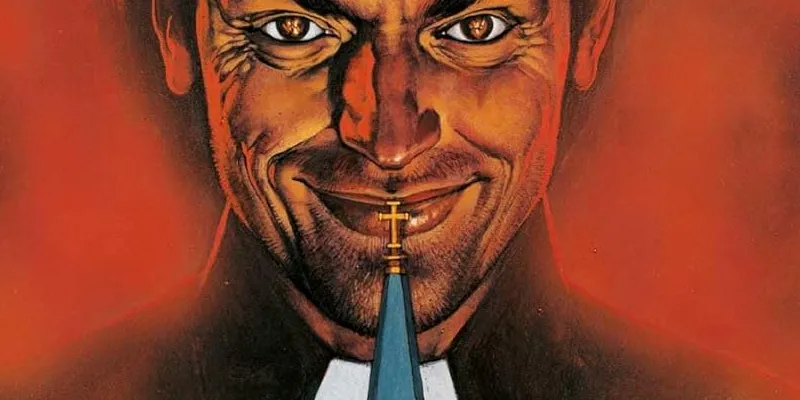
We step away from superhero comics a little and embrace another kind of American adventure comic.
Preacher could be summed up as a journey through the American heartland amid a festival of blasphemy, violence, black humor and provocation, which isn't surprising once you see who wrote it.
But above all that there is something I don't think good old Ennis has ever surpassed: the relationship among the three leads, Jesse Custer (the preacher), Tulip (his ex-girlfriend) and, especially, Cassidy (the vampire who becomes his friend). Behind all the excess lies a very classic, beautifully rounded story about friendship, love, loyalty and betrayal.
And yes, Dillon's art isn't for everyone. Much uglier than Miller's, it works for me, especially because of how effective his storytelling is. That's why I insist you give the work a chance even if your first glance puts you off.
As a curiosity, I'll tell you I'll always have a special affection for this work, because I bought it straight after leaving a client's offices when I got paid for my first freelance job, many, many years ago now. It's a nice memory.
6. Twists of Fate – Paco Roca
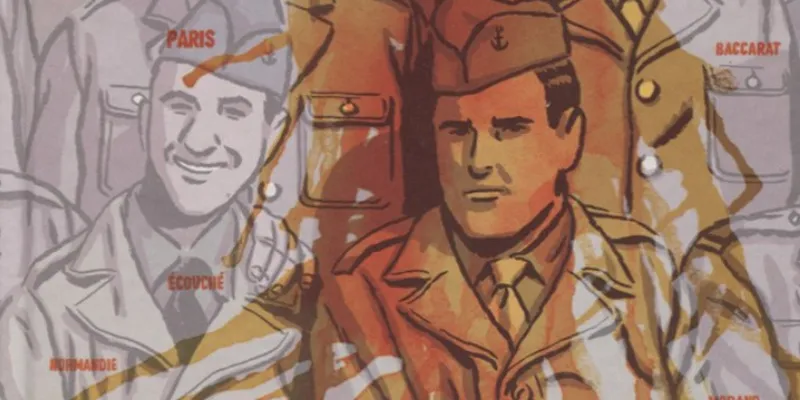
Paco Roca is my favorite Spanish author. Few have captured the sensitivity of different moments in life as well as he has.
Of all his works, I chose this one because I think it may be his most ambitious.
I already reviewed Twists of Fate, but if you don't want to read my analysis right now, here's a summary.
It's a long work that, through one protagonist's flashback, follows a group of Spanish Republicans who, after losing the Civil War and going into exile, ended up fighting the Nazis and taking part in the liberation of Paris.
Visually it doesn't seek the immediate impact of Sienkiewicz, Windsor-Smith or Moebius, but it doesn't need to. Its art is much simpler, yet the impact of what it tells and how it tells it remains just as firmly etched in your memory.
7. Tricked – Alex Robinson
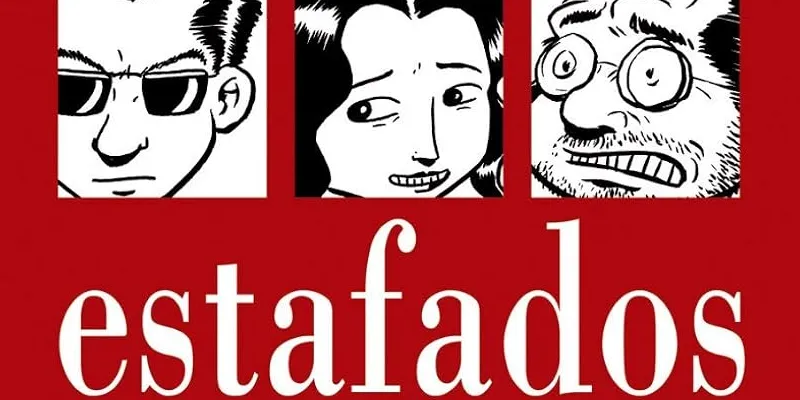
Probably one of the least predictable choices on the list.
And that's exactly why I put it here.
It's a slice-of-life comic about a group of fairly ordinary characters whose lives begin to intersect.
The extraordinary thing is its narrative mechanism. Everything is extraordinarily well woven together: small decisions have consequences, characters appear from different perspectives, and every new piece of information changes what we think about each of them.
The art is functional -even more so than in Paco Roca's case- and therefore far from the visual virtuosity of other works in this top, but that doesn't matter, because the driving force is the characters and the construction of the story.
A work that shows how well comics can narrate ordinary lives that are still compelling.
8. Message to Adolf – Osamu Tezuka
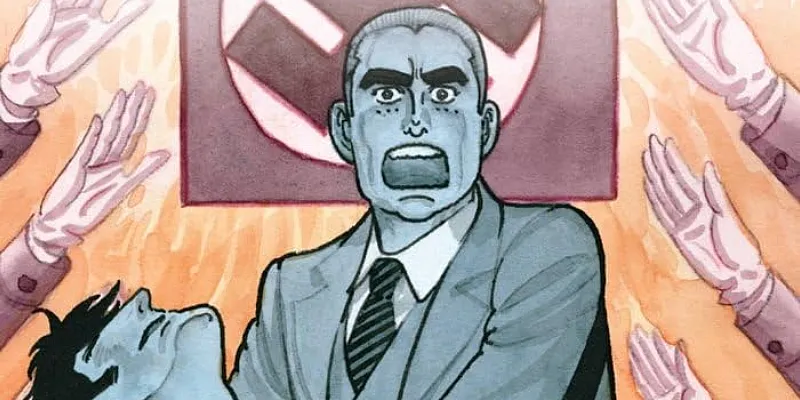
My manga representative, chosen over masterpieces such as Akira or others that fascinated me as a kid, such as Fist of the North Star.
But Message to Adolf resonated with me more. I was going to say it made a bigger impact on me, but that wouldn't be true. The others did that to a greater extent: the first with its complex cyberpunk story, the second with its violence and art.
Here, the apparently simple look of Tezuka's drawing contrasts enormously with the complexity and ambition of what he can tell. Through three men named Adolf, the Japanese author builds a huge story connecting Japan, Germany, Nazism, espionage, values and, of course, war.
The characters evolve over the years, and decisions made at one point end up having consequences much later.
It's a long work -more than a thousand pages if memory serves- that hooks you and doesn't let go until the end. And if, besides the plot, you complement the reading with the appendix covering key moments of World War II that at least the Spanish edition included, you understand the complexity of the undertaking.
For all those reasons, it's the work I'd recommend to anyone put off by manga.
9. The Incal – Alejandro Jodorowsky and Moebius
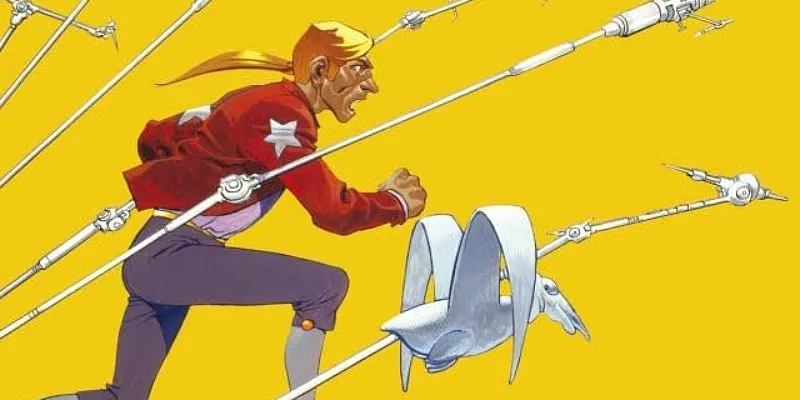
This comic is here for three reasons:
- For its imagination.
- For its scale.
- And, above all, for Moebius.
Yes, because I consider the Frenchman the greatest comic-book artist who ever lived, given his absolute mastery of absolutely every facet. And I consider this his most accomplished work, not so much in the art itself -there it competes with The Airtight Garage – but overall.
Few comics have managed to build such an enormous visual universe while making it all look so easy.
Yes, Jodorowsky's script isn't at the same level: he constantly throws out concepts, and the story becomes a succession of ideas, symbols and twists that aren't always coherent or given enough narrative weight. In fact, you get the feeling that with an editor above the Chilean, we'd be talking about something truly superlative.
There is no such editor and, if I judged only the character construction or the precision of the plot, this comic wouldn't make this top.
But comics are also drawing, design, imagination and visual surprise. And in those areas The Incal plays in the Champions League.
10. Black Hole – Charles Burns
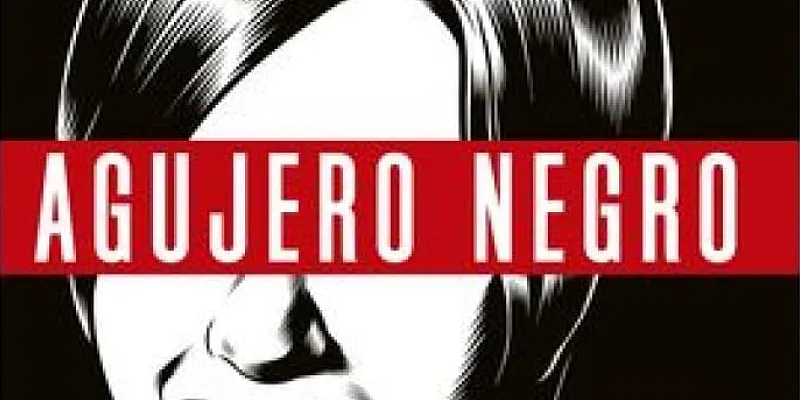
Of this top 10, it's the only work I've never reread. That's probably because it's the only one I don't own -I borrowed it from my neighborhood library- something I plan to fix soon.
We're looking at a strange work. Much less commercial than the previous ones. Both the plot -a strange disease that physically transforms teenagers- and the art -clean black and white, unpleasant when it wants to be- make this a difficult read that isn't for everyone.
But the best part comes afterward. Because it's a comic that keeps you thinking for quite a while. Burns uses the story as a starting point to talk about sex, isolation, desire, fear and the feeling of not fitting in. Something very adolescent that most of us have experienced to a greater or lesser extent.
Without a doubt, the most controversial work on this entire list.
The 10 Comics That Just Missed Out
The gap between this group and the previous one is tiny. In fact, at another point in my life some could swap places. To make it clearer: if the first top is about my favorites, this one brings together the works whose absence is hardest for me to justify.
11. 100 Bullets – Brian Azzarello and Eduardo Risso
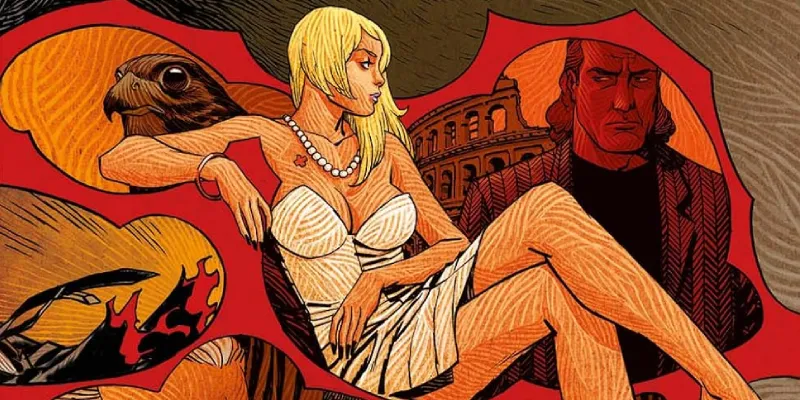
It's the omission I struggle with most.
100 Bullets starts with an unbeatable premise: someone shows up, gives a person a gun, one hundred untraceable bullets and proof of who destroyed their life, so they can do with it all -the information and the weapon- whatever they want.
But this is only the doorway into a much bigger plot.
Azzarello builds a fantastic narrative and Risso complements him with a style perfectly suited to that noir universe of criminals, shadows and conversations in which almost no one says exactly what they mean.
Although they're very different, I was torn between putting this one or Preacher in the top ten. In the end Ennis's work won out: although it's a little less sophisticated, its characters are certainly more endearing.
12. From Hell – Alan Moore and Eddie Campbell
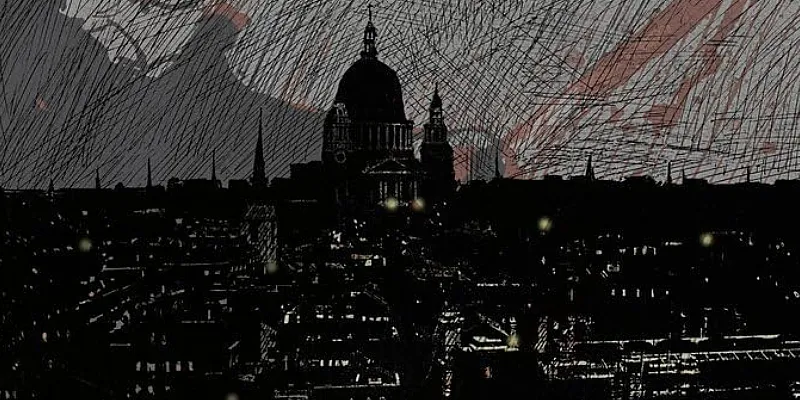
Few comics have impressed me as much on a first read.
Alan Moore uses the Jack the Ripper murders to build a much larger story about Victorian London.
It's an immense comic not only because of its length, but because of how many layers it tries to superimpose.
Eddie Campbell's pencils may seem not to be up to the task, but they are. He perfectly captures the universe and the story Moore wants to tell us.
That said, be clear that From Hell demands considerable effort and doesn't always offer immediate pleasure. That's probably why I leave it out, because if this were a list of the most ambitious works, it would rank much higher.
Nothing like the interesting but much flatter Johnny Depp movie.
13. Ronin – Frank Miller
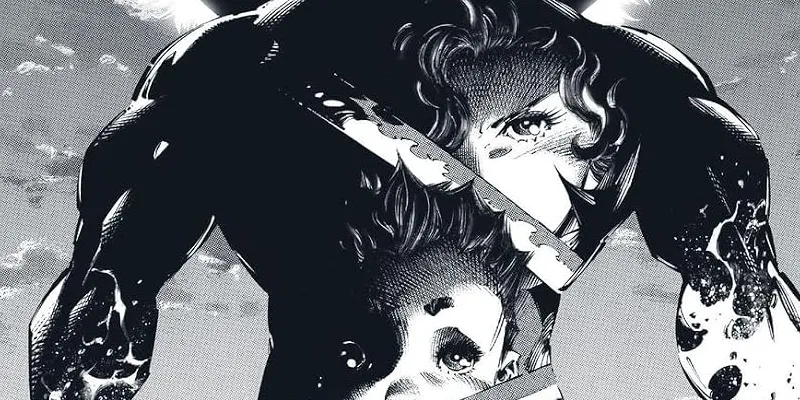
Yes, there's already a lot of Frank Miller on these lists. And even so, Ronin deserves to be here.
Because of Miller's mixture of samurai, cyberpunk science fiction, technology, spiritual decay and a huge number of influences that include my beloved Moebius, manga and European comics.
It's a less rounded work than The Dark Knight Returns and less spectacular graphically than Elektra Assassin, but make no mistake, it looks them straight in the eye.
I adore it.
14. Akira – Katsuhiro Otomo
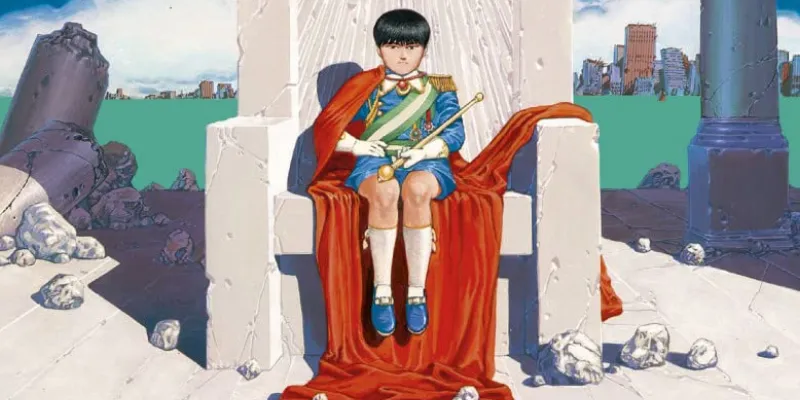
The importance of Akira to all the cyberpunk science fiction that came after it is obvious.
Manga and non-manga alike.
And that's probably because this extremely complex, lengthy work can give you every kind of sensation, from the most classical epic grandeur to genuine fear.
Otomo builds a gigantic future city where violence and destruction, as well as friendship and politics, are everyday realities. All wrapped in a metaphysical background about power, evolution and the limits of human beings
The result is that, as a visual spectacle, it's hard to find anything comparable.
However, the plot doesn't sustain the interest achieved by other comics that come before it, which is why I decided to leave it out and put Message to Adolf in its place as the best representative of manga.
15. Watchmen – Alan Moore and Dave Gibbons
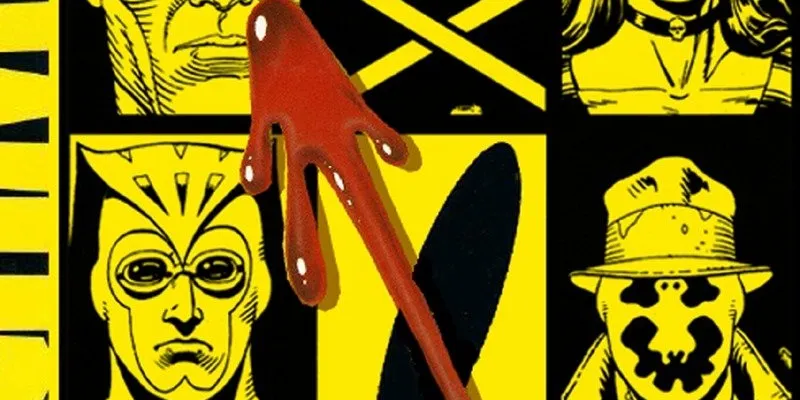
If I ran a poll, I think this would be the omission most people would argue with.
And that's fair, because it's extraordinary.
In fact, I don't have a strong argument against Watchmen: : its structure is planned down to the millimeter, Dave Gibbons, without being flashy, maintains absolute control of the page, and Moore uses the superhero genre to talk about politics, power, ethics and responsibility.
Do the ends justify the means? Everyone will come away thinking something different. That's the good part.
The reason it's absent is that, although you can read it ten times without getting bored, it didn't move me as much as any of the ones above.
Where Miller or Ennis generate emotion and rage, Moore is cold, exact mathematics.
Even so, it misses out by centimeters.
16. My Favorite Thing Is Monsters. Book 1 – Emil Ferris
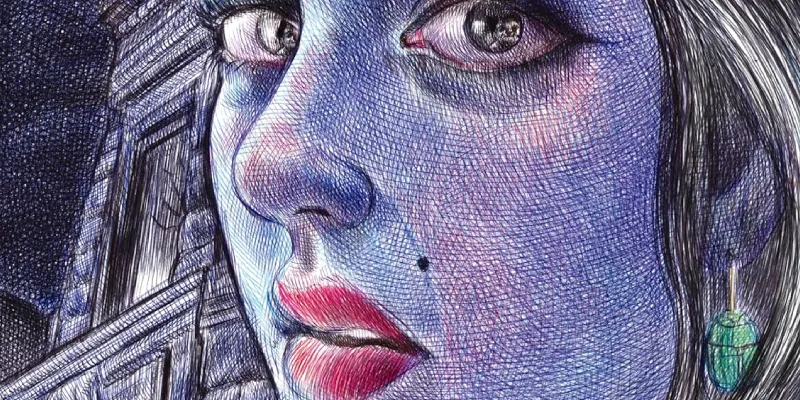
When you want to show someone the heights the ninth art can reach, show them this comic.
Few debut works have such an overwhelming personality. Emil Ferris recreates Karen Reyes's notebook, a girl fascinated by monsters who is trying to understand a death that occurred in her building.
From there, everything comes in: family, crime, memory, art, pulp and her gaze at those society considers different.
Visually it's incredible. The pages imitate a school notebook filled with ballpoint pen, drawings, imaginary covers and details. That kind of display could become a mere graphic trick, but behind it there is a story and very well-built characters capable of sustaining it.
A work of art that I've already reviewed before:
17. Scalped – Jason Aaron and R. M. Guéra
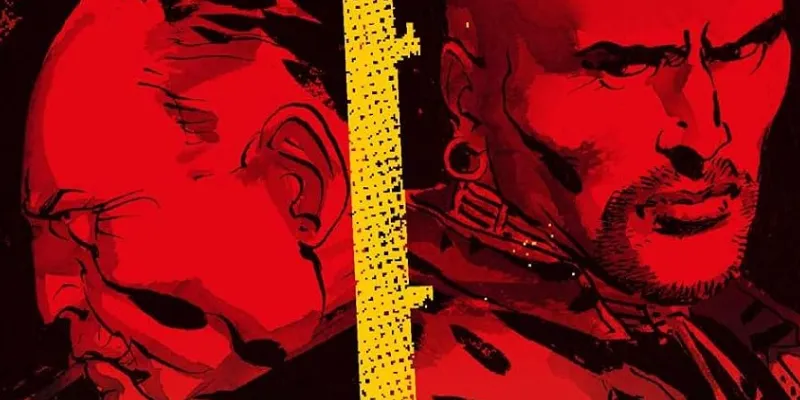
Noir, a Native American reservation, martial arts with nunchaku, a casino and a murder.
With those ingredients, Aaron builds a long story with characters more gray than white, crime, family and difficult decisions that carry future consequences.
And all under the shadow of a very well portrayed Native American reservation, which is much more than a setting because it shapes everything that happens.
Guéra provides effective art in which grime and violence do not idealize the Native world we've seen so often in movies. Maybe a hundred years ago it was that clean; now it's rather the opposite.
It's hard to find much fault with a magnificent long-form crime series (eight volumes in its original edition). On the plus side, the entire script is good, but the construction and evolution of the characters are unbeatable.
18. Sleeper – Ed Brubaker and Sean Phillips
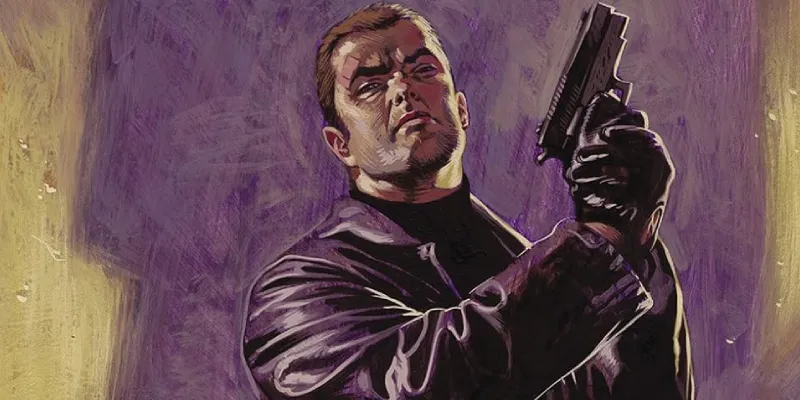
Brubaker and Phillips have created an enormous number of quality comics together, especially crime stories.
Perhaps their most popular work is Criminal -another one I loved-, but Sleeper stole my heart first.
Maybe it's because of that mixture of noir and superheroes handled so well -the plot follows a protagonist infiltrating an organization of superpowered criminals- that it feels much more like espionage than capes.
Because it's dirty, unhinged at times, and full of characters who make decisions with their guts more than their heads. For fairly understandable reasons, it has to be said.
If you like crime fiction and superheroes as much as I do, it's essential reading alongside its prequel Point Blank..
19. Planetary – Warren Ellis and John Cassaday

Planetary is a huge love letter to popular culture. Superheroes, pulp, science fiction, giant monsters, ghost stories and all kinds of twentieth-century mythologies appear reinterpreted as pieces of the same universe. Including Marvel's Fantastic 4.
And despite how good the concept is, the work wouldn't be the same without the artist. Cassaday gives the ideas Ellis fires off constantly a cold, elegant visual spectacle.
Good ideas, good plot, good characters, good references and good art.
With those ingredients, it's impossible not to recommend it.
20. The Eternaut – Héctor Germán Oesterheld and Francisco Solano López
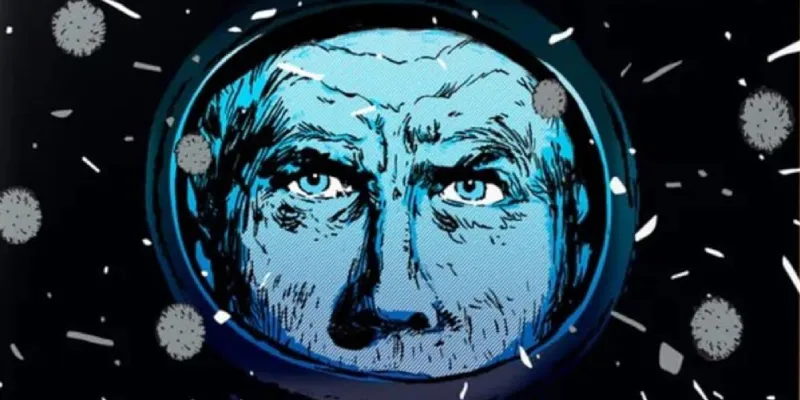
I close out the near-misses with one of the peaks of science-fiction comics. A comic that is surprisingly seven decades old, given how daring and innovative its ideas are.
But what truly makes The Eternaut special is that the hero isn't an exceptional individual, but ordinary people trying to survive together against something they don't understand and that overwhelms them.
And yes, it has certain traits of its era, but that doesn't diminish the strength of the proposal.
I still need to read the reimagining that the same writer -who later “disappeared” thanks to Argentina's dictatorship- created years later with Breccia. From what I've read about this update, I'm convinced I'll probably like it even more.
Take advantage of the popularity of the Netflix series, which has brought some reissues of this excellent comic.
Others
As you can see, legends such as Sandman, , Miracleman, , Earth X, , Persepolis, , Maus, Daredevil by Miller, Transmetropolitan, something by Eisner, some more manga and European comics… But they can't all fit.
As people say in these cases, not everyone who belongs is here, but everyone here belongs.
That's why I'm sure that by choosing any title from this list, you've got a good read in your hands. And if you disagree, the comments are right below so you can argue with me.
The 10 Unread Comics That Could Change the List
Finally, I'll leave you with the list of my next ten reads. Comics I hope will shake up some of the positions above.
The fun of publishing this list is precisely being able to come back after a while and see how many lived up to my expectations.
21. Aâma – Frederik Peeters
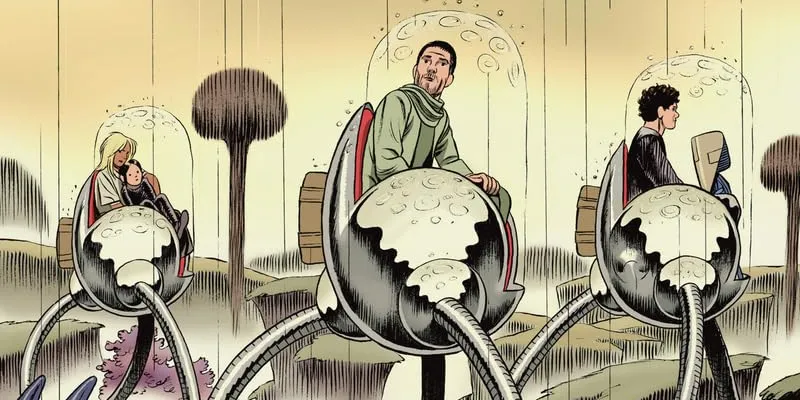
I've liked Frederik Peeters a lot ever since I discovered Blue Pills. In Aâma he changes gears and heads into science fiction, my favorite genre, so it would be strange if I didn't like it.
The next comic I'll pick up as soon as I finish the book I'm currently reading.
22. Lone Wolf and Cub – Kazuo Koike and Goseki Kojima
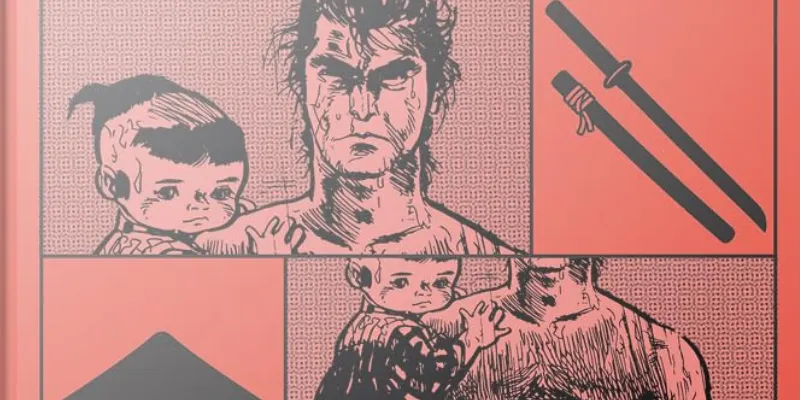
A samurai traveling through Japan with his son while pursuing a grand revenge sounds like a work designed to catch my attention.
The reason I haven't picked it up before is its considerable length: eight thousand pages. A work like that requires months of my life without reading another, and that commands respect. Even so, I hope to finish it this year.
23. Berlin – Jason Lutes
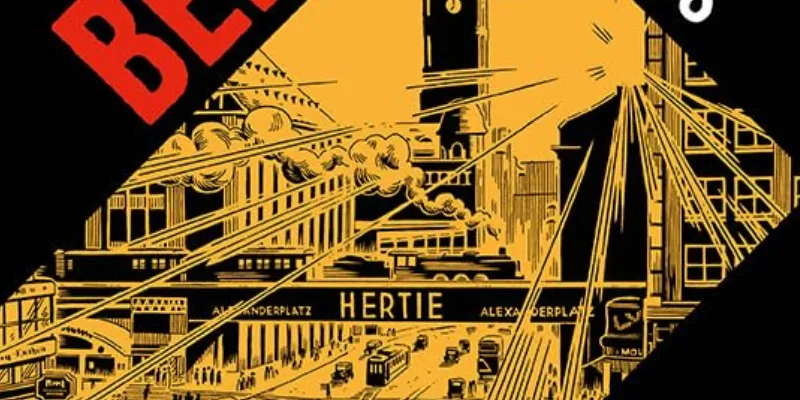
I've had it in my digital library for more than a decade. I know because it was on my first Kindle, but for various reasons I've always prioritized others.
And yet the mix between Tricked, , Message to Adolf and Twists of Fate sounds good in my head…
24. The Killer – Matz and Luc Jacamon
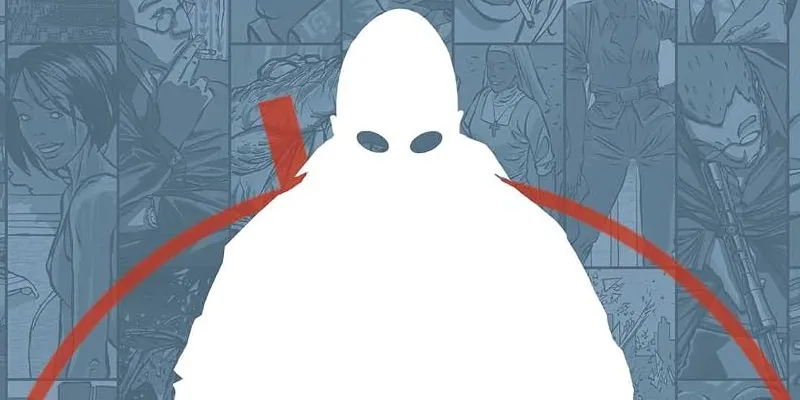
A professional killer, jobs that gradually form a larger plot, and lots of space devoted to hearing what he thinks while he waits. It sounds very much in the vein of 100 Bullets.
We'll see whether its colder European tone manages to make me enjoy it as much as that one.
25. Box Office Poison – Alex Robinson
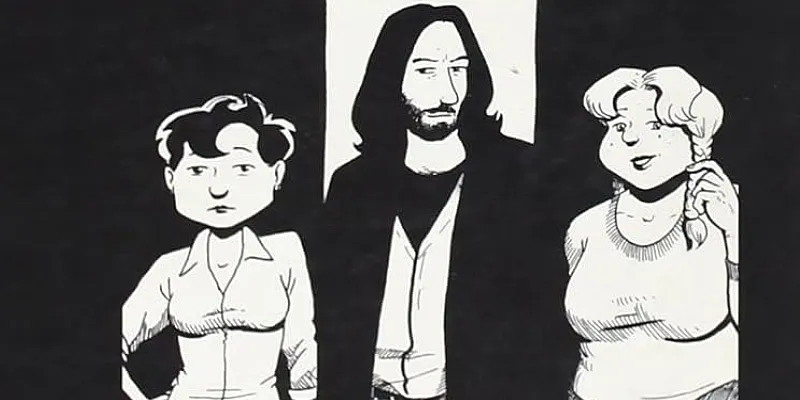
Okay, I'm not sure whether I read this one a long time ago or not. So I want to find out. If Tricked is among my ten favorites, reading Alex Robinson's other big long-form work seems mandatory.
26. Lupus – Frederik Peeters
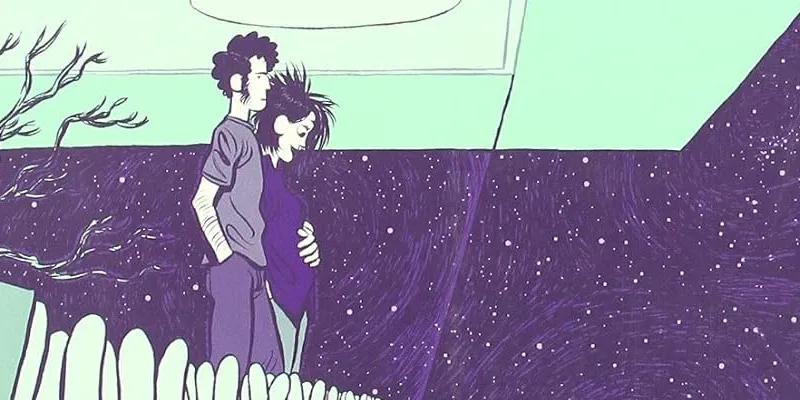
Frederik Peeters again, and sci-fi again, although from what I've read this one is more focused on people.
Very, very curious to read it.
27. The Hunting Party – Pierre Christin and Enki Bilal
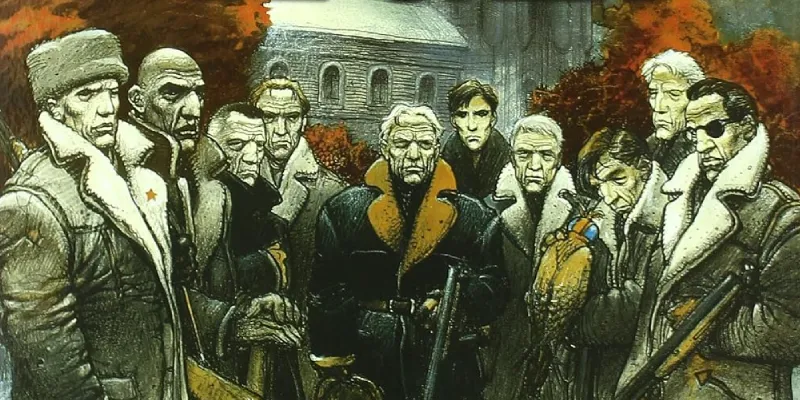
Right, I do know this one. And I know it because I read some isolated installment in one of my father's comics magazines. Some issue of Métal Hurlant from the 80s, if I remember correctly.
I love the artist and the plot appeals to me. Looks fantastic.
28. The Art of Flying – Antonio Altarriba and Kim

I know fairly little about this one, except that it has been recommended to me when talking about Twists of Fate. It starts from similar historical ground and approaches it through the complete life of one individual.
We'll see, because I haven't heard such good things about the art.
29. Blast – Manu Larcenet
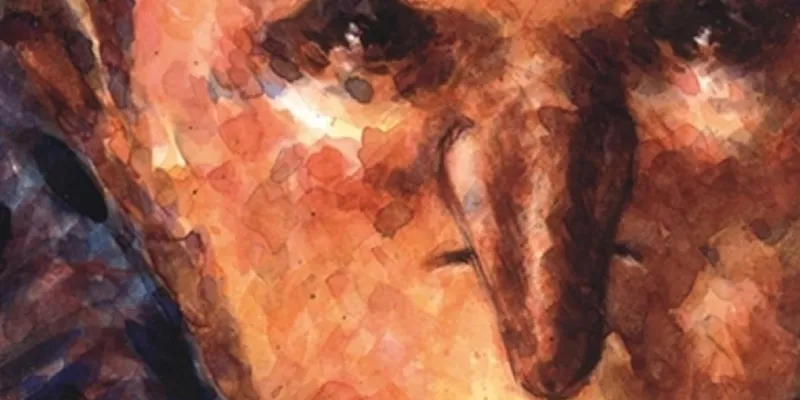
It begins with the account of a detained man reconstructing how he got there, and seems to move through fairly dark territory: isolation, violence, perception of reality and self-destruction.
What I hope to find is precisely a work that, like Black Hole, keeps working on you after you've finished it.
30. Monster – Naoki Urasawa
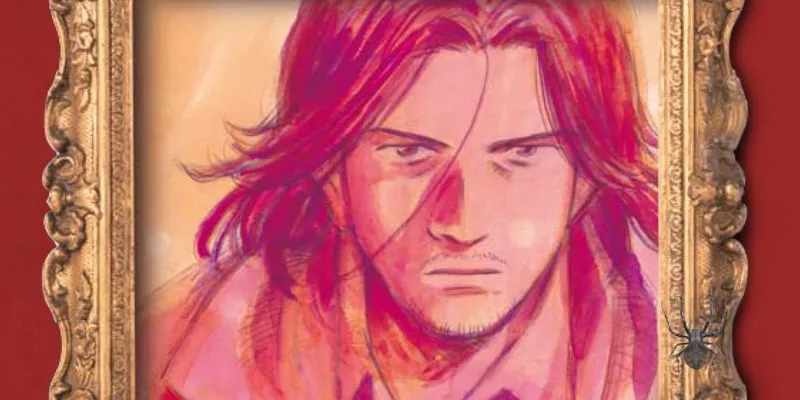
Another Japanese representative. The premise interests me: a doctor saves a child's life and years later discovers that decision had terrible consequences. A gigantic thriller -several thousand pages- packed with supporting characters, new mysteries and ramifications.
This one is definitely staying for next year.
An Inevitably Provisional List
As you can see, my favorites seem to share certain characteristics. I like long stories that let you watch the characters grow, but I also have a weakness for authors who can use drawing in an absolutely personal way.
That's why Tricked and Elektra Assassin can coexist: one fills me through its characters and structure, while the other turns every page into a field of experimentation.
For the same reasons, Message to Adolf and Weapon X are included.
I also have my contradictions. I criticize The Incal because the script isn't at the level of its visual universe, yet I keep it in. In exchange I leave out From Hell, which is probably more ambitious and perfect than several of those chosen.
Or I put two Miller works in the top ten -and a third among those that nearly made it- while including only one by Alan Moore, whom I consider a much better writer. I don't try to correct those contradictions because they're what make my list different from anyone else's.
And, above all, the list still isn't finished. Nor will it ever be, because every day new fantastic comics come out or I discover them. Aâma, Lupus, , Berlin, , Lone Wolf and Cub, , The Killer… have the potential to enter the top. At least on paper.
In a few months, or years, I'll come back here to tell you whether they really did -or didn't- make it, or ended up far away.
Until then, I'll leave you with this selection, which I hope you enjoy a lot.
Frequently asked questions
What Is the Best Comic of All Time for You?
If I had to keep just one, I'd choose Corto Maltese: The Ballad of the Salt Sea, by Hugo Pratt. I think it's an extraordinarily complete work in terms of story, characters, settings and, above all, Pratt's narrative ability with apparently simple drawing.
What Are Your 10 Favorite Comics?
My top 10 consists of Corto Maltese: The Ballad of the Salt Sea, Batman: The Dark Knight Returns, Elektra Assassin, Weapon X, Preacher, Twists of Fate, Tricked, Message to Adolf, The Incal and Black Hole.
Is This an Objective List of the Best Comics of All Time?
No. It's a completely personal list. It isn't trying to establish a canon or decide which works have been the most important or influential, but simply to answer which ten comics I would choose from everything I've read.
What Is the Best Superhero Comic on the List?
My choice would be Batman: The Dark Knight Returns, by Frank Miller. Also very high up are Elektra Assassin and Weapon X, and among those that just missed out are Watchmen, Ronin or Sleeper.
What Is the Best Manga on the List?
I chose Message to Adolf, by Osamu Tezuka. I think it's especially recommendable for someone who isn't used to manga because it combines very accessible storytelling with a huge story about war, espionage, politics and character development.
What Is the Best Spanish Comic on the List?
Twists of Fate, by Paco Roca. It's an ambitious work following exiled Spanish Republicans who ended up fighting the Nazis and taking part in the liberation of Paris.
Why Isn't Watchmen in Your Top Ten Comics?
Not because I consider it technically worse. Its structure is extraordinary and Alan Moore and Dave Gibbons do practically millimeter-perfect work. Quite simply, other works on the list moved me more. It missed out by very little.
Which Comic Has the Best Art on the List?
It's hard to choose one because I value very different styles. Elektra Assassin stands out for Bill Sienkiewicz's experimentation, Weapon X for Barry Windsor-Smith's baroque excess and The Incal for Moebius, whom I consider the greatest comic-book artist who ever lived.
Which Comic Would You Recommend to Someone Looking for Something Different?
Tricked, by Alex Robinson, is probably the least predictable choice in the top. It doesn't rely on grand concepts or spectacular art, but on ordinary characters and an extraordinarily well-woven narrative construction.
Which Comic on the List Is the Least Commercial?
Probably Black Hole, by Charles Burns. Both its story and its art can be uncomfortable, but precisely because of that it's a work that keeps turning over in your head after you finish it.
Which Other Comics Came Close to Making the Top 10?
Among those that just missed out are 100 Bullets, From Hell, Ronin, Akira, Watchmen, My Favorite Thing Is Monsters, Scalped, Sleeper, Planetary and The Eternaut.
Which Unread Comics Could Enter the Ranking?
Among the unread titles are Aâma, Lone Wolf and Cub, Berlin, The Killer, Box Office Poison, Lupus, The Hunting Party, The Art of Flying, Blast and Monster. The idea is to revisit the list once I've read some of them.
What Kind of Comics Do You Usually Like Most?
I have a weakness for long stories that let you watch characters grow and for authors with a very distinctive graphic personality. That's why works as different as Tricked, Elektra Assassin, Message to Adolf or Weapon X can coexist on the same list.
Can the List Change Over Time?
Yes. In fact, it's designed as a provisional list. As I keep reading new comics or titles from my backlog, some works may enter, leave or change position.

Leave a Reply